
By Kendra Young and Lotte Govaerts
(This post was originally published on the Rogers Archaeology Lab blog on November 05, 2016. You can see the original post archived here.)
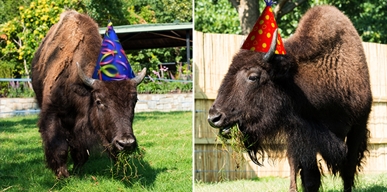
Did you know that today, November 5, is the first National Bison Day since the bison was declared the Nation’s Mammal? Just a few months ago, the National Bison Legacy Act was passed establishing and adopting the bison as the first National Mammal of the United States.
Since 2012, the first Saturday in November has commemorated the North American Bison (also known as the American Buffalo) by honoring its contribution to North American ecology, history, and culture. We at Roger’s Archaeology Lab would like to celebrate with you by sharing the significance of the bison to the historical and archaeological records we study here at the National Museum of Natural History (NMNH).
Before we go into the history of the bison and our collections, here are a few fun facts:
- Bison are the largest mammal in North America, with bulls (males) weighing up to 2,000 pounds and cows (females) up to 1,000 pounds.
- Bison can grow up to 6 feet tall and 12 feet long.
- A baby bison is called a “red dog” because they are born with a coat of red fur. The coat turns brown after a few months.
- Bison can run up to 30 mph, jump up to 6 feet high, and can swim well too.
- Bison humps are made of muscle which helps them to plow through snow with their heads.
- Bison are herbivores and eat about 1.6 percent of their body mass a day.
- The bison have lived continuously at Yellowstone National Park since prehistoric times.
- Bison have good hearing and sense of smell, but they are also nearsighted.
- When bison tails are pointing down it signifies calmness. When the tails are pointing up, they might aggressively charge!
- Bison (Bison bison) and buffalo are not the same animal but the name is used interchangeably. Buffalo actually live in Africa and Asia — African Cape Buffalo (Syncerus caffer) and the Asian water buffalo (Bubalus bubalis) and have stark physical differences to the bison.
Brief history of the Plains Bison (Bison bison bison):
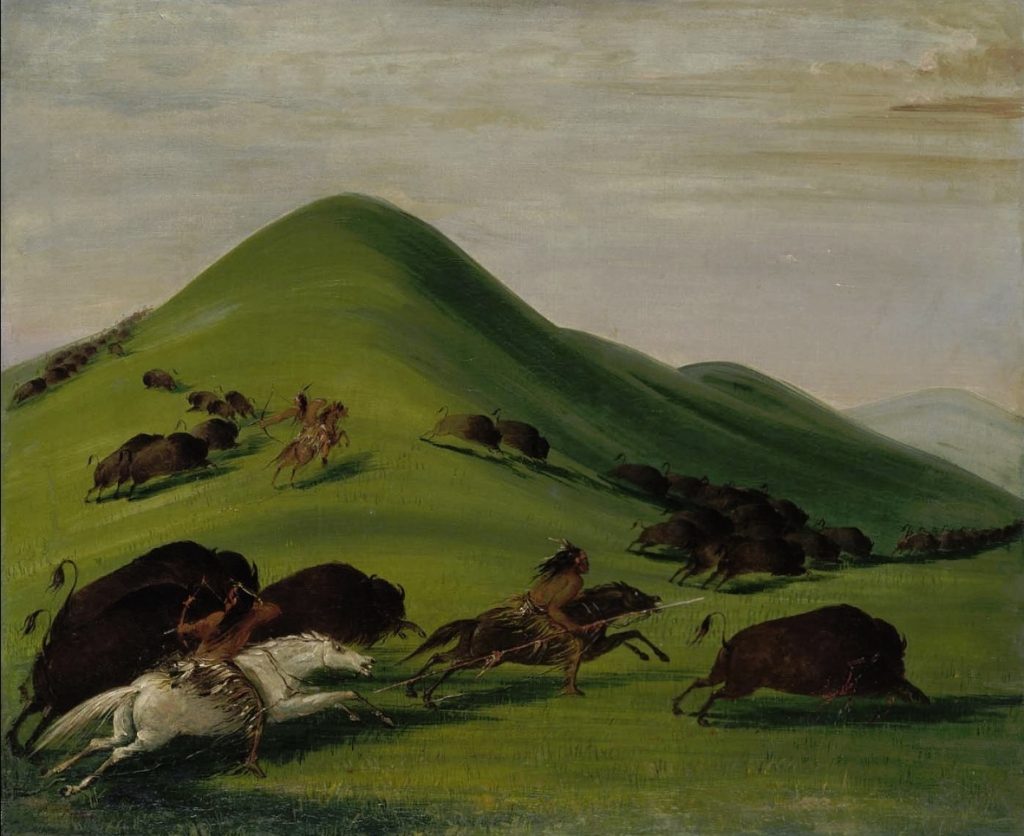
Millions of bison roamed the American Plains when the first Europeans arrived in the area. Early population estimates were as high as hundreds of millions, but the actual number in the 18th century was probably closer to 30 million (Isenberg 2000, p. 23-28).
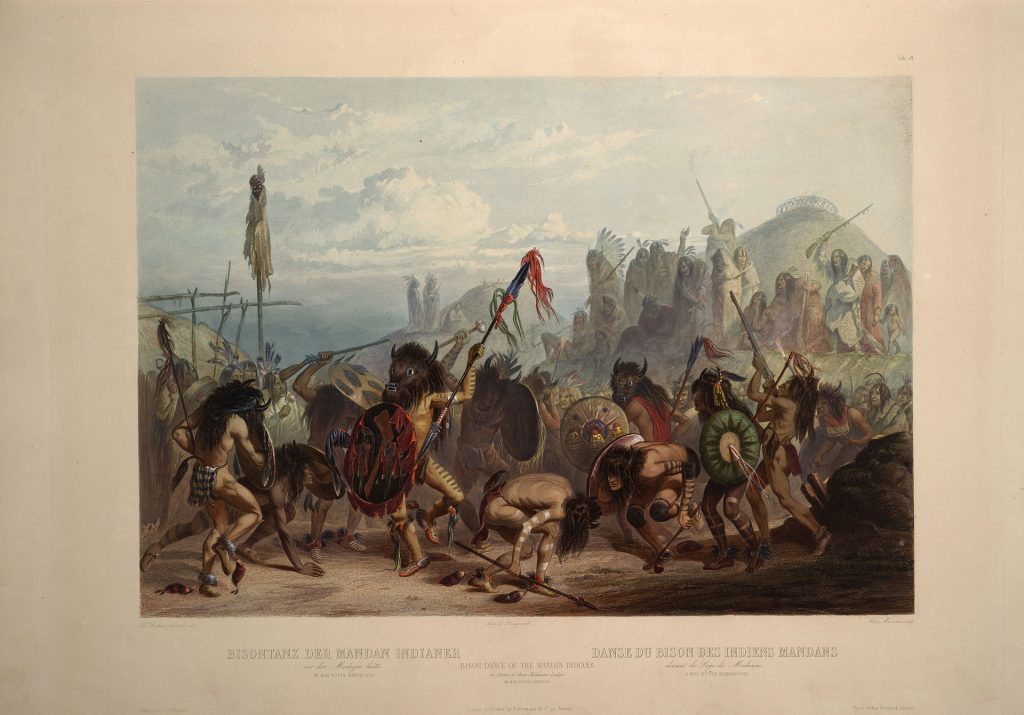
The bison was integral to the lives of the various Native peoples who lived on the Plains throughout prehistoric and “historic” times. Bison meat provided food (fresh, dried, or made into pemmican). Bison skin, hair, bones, sinew, and fat were used for many purposes, including the manufacture of clothing, bedding, housing (teepees and other tents), bull boats, bags, shields, drums, rope, thread, bow string, tools, ornaments, etc. Considering the sustaining presence of the bison and bison products in daily life, it is not surprising that it also featured in the spiritual lives of certain Native peoples.
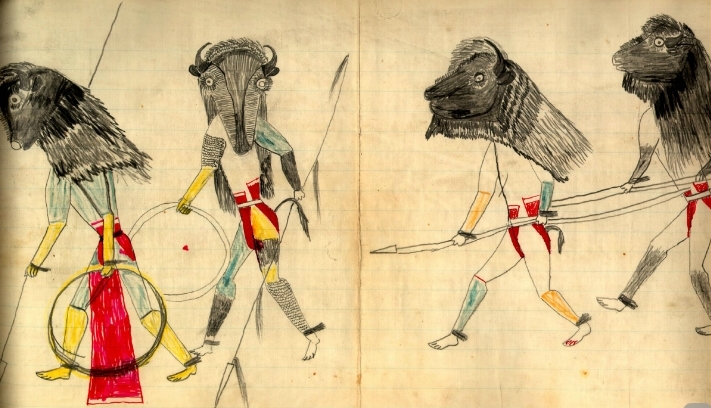
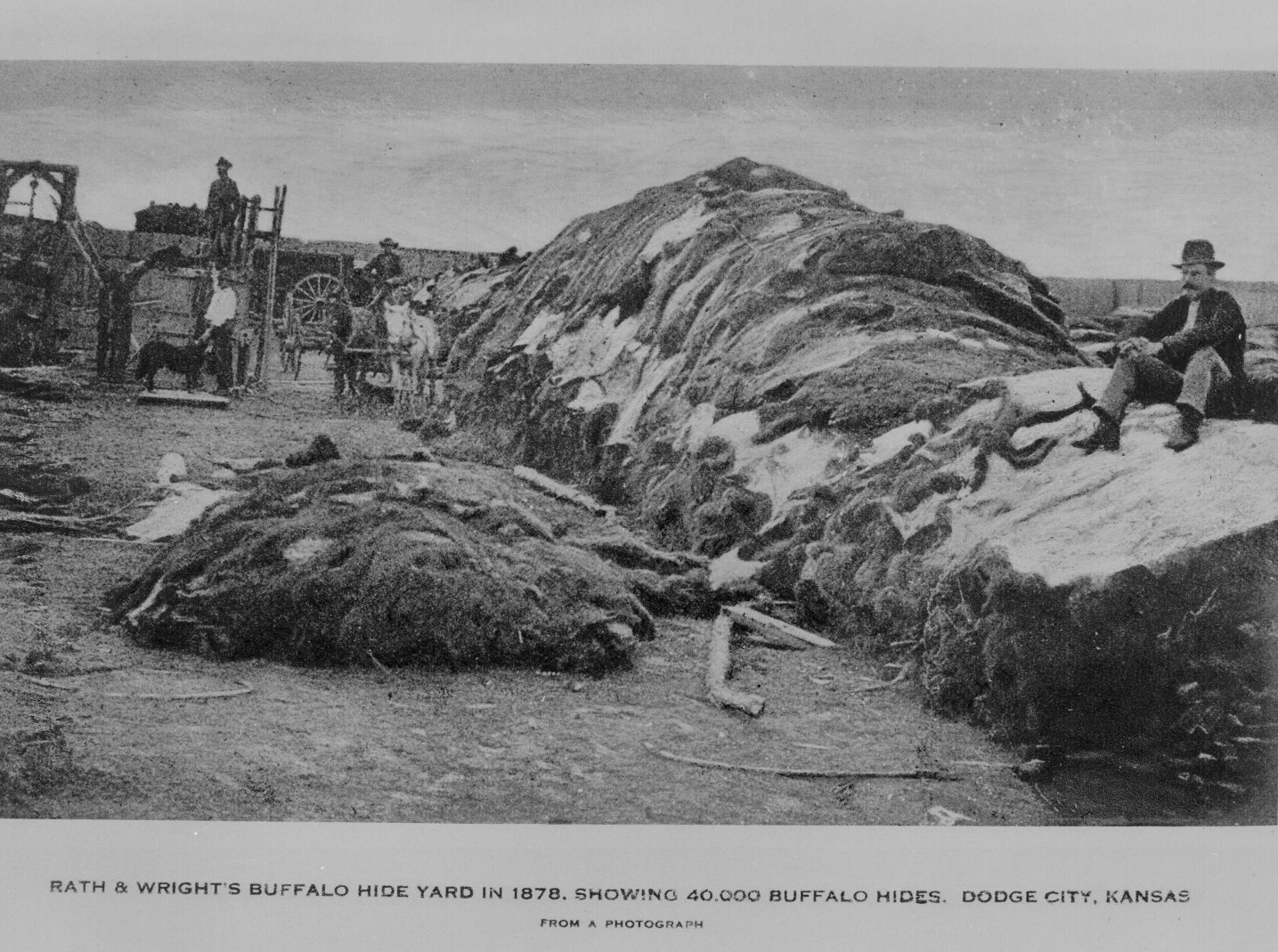
Bison numbers dwindled due to overhunting during the 19th century. Around the middle of the century, the fur trade companies exhausted supplies of beaver and other fur-bearing animals, and the trade turned its focus to bison. Bison hides and robes were traded in large numbers to be sold on the east coast and elsewhere. A bison “robe” is a cured bison hide with the hair still on it. These were harvested in the late fall/early winter, when the hair grew long, but was still “fresh”. Robes could be made into coats or blankets. Bison hides taken during other times of year (or from older animals) were mostly made into leather and turned into drive belts to be used in factories across the industrializing world (See Hornaday 2002 [1889], p. 438–441 for data on numbers of hides purchased by two leading New York fur houses).
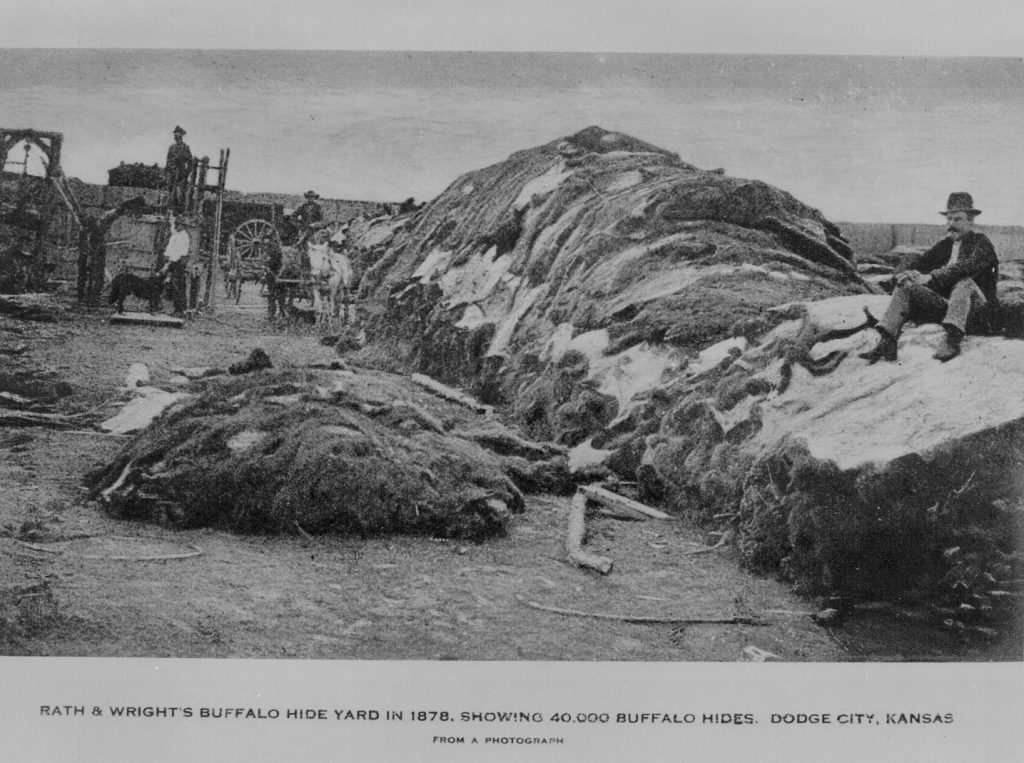
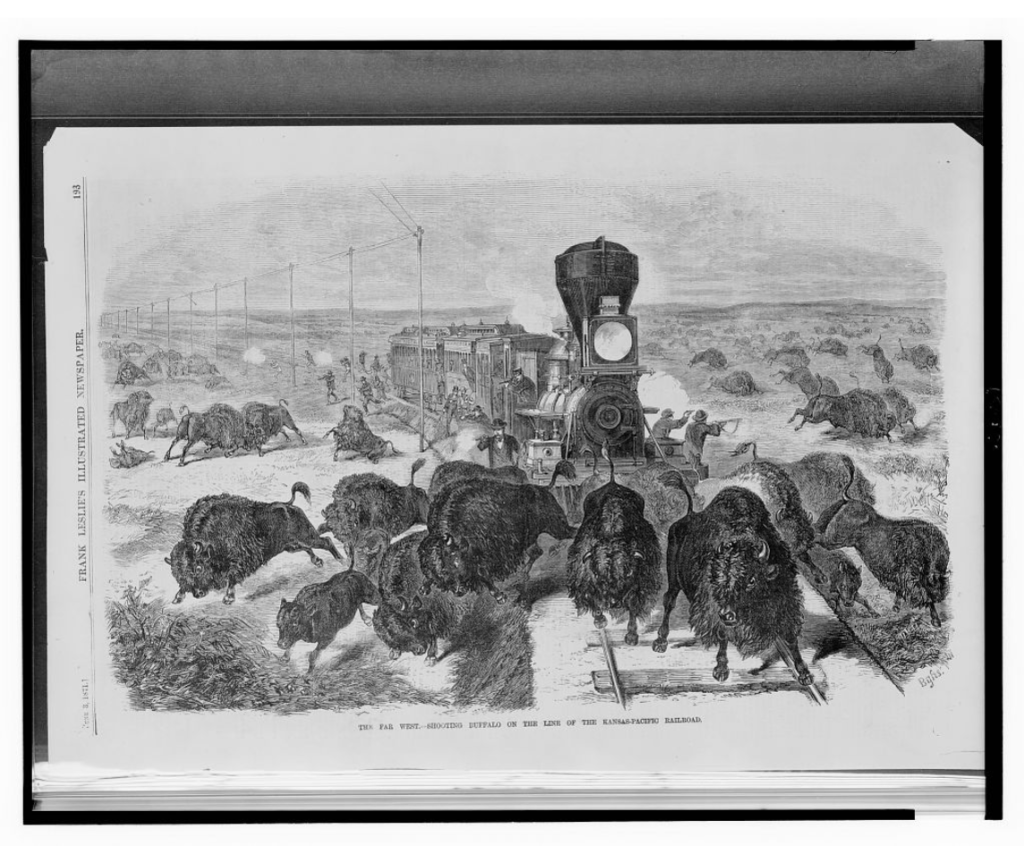
Hunting by the fur trade certainly contributed to the near-extinction of the American bison. However, there were other important factors. US settlement and ranching destroyed habitat and introduced disease. Military leaders, engaged in warfare against several of the Plains tribes, actively sought to destroy bison herds to disrupt their traditional way of life. Displacing the bison also benefited railroad companies in obtaining land, and preventing bison herds from interfering with railroad operations. The presence of railroad tracks across the plains further threatened the bison by subdividing their habitat. Railroad lines also made it easier and cheaper to transport bison products across the country. Finally, railroad companies organized sport hunting expeditions, during which bison were shot from trains. With bison carcasses left all over the Plains, trade in bison bones grew into a big business. Bones were mostly ground up and made into fertilizer (for more details, and other factors involved in the near-extinction of the American bison in the 19th century, see Hornaday 1889, Isenberg 2000, and Smits 1994).
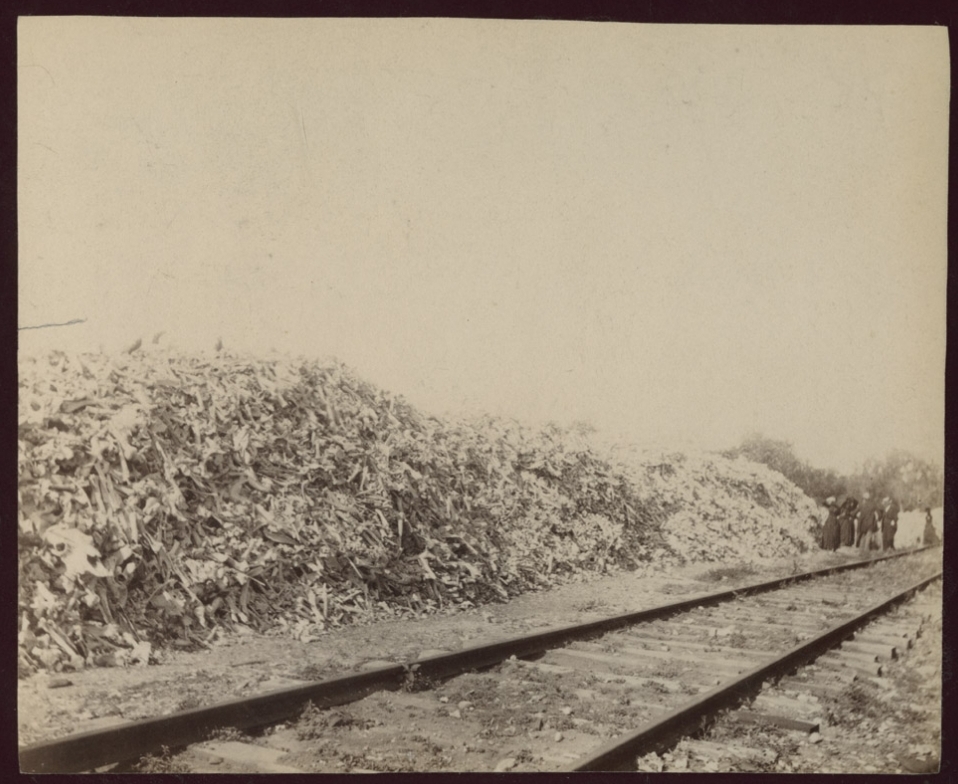
The American Bison came very close to total extinction. Only a few hundred were estimated to be left alive at the end of the 19th century, when conservation efforts began. William Hornaday founded the American Bison Society in 1905. The Society, with Theodore Roosevelt as its honorary president, reintroduced bison in small herds in various parts of the country. Congress took action to protect the bison, zoos started breeding programs, and ranchers started creating small herds. American bison numbers are currently back up to over half a million. Some 30,000 of those are in conservation herds, the rest are kept as livestock. Several Native tribes are leading the way in the recovery of the American bison, by managing herds on lands where bison are protected, and working to promote protection. (Smithsonian Zoological Park Conservation Institute 2014).
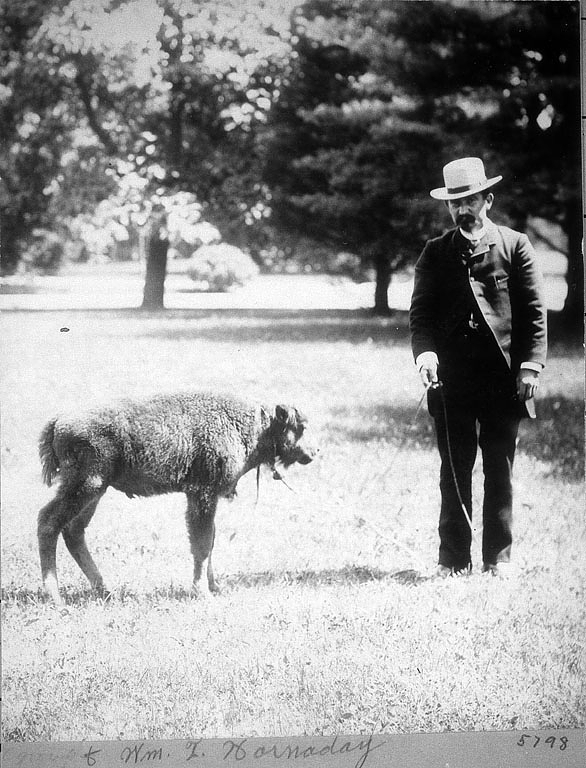
American Bison in Smithsonian Collections:
Due to the bison being an integral part of Native American life, history, and culture, our collections here at NMNH and Smithsonian-wide are composed of a variety of bison-related objects. The archaeological record shows us how the bison was not only used for food but for tools, clothing, and shelter. Preserved artifacts made from bison bone tell us how Plains natives used the skeleton of the bison to make tools for farming, hide preparation, sewing, hunting, and more!
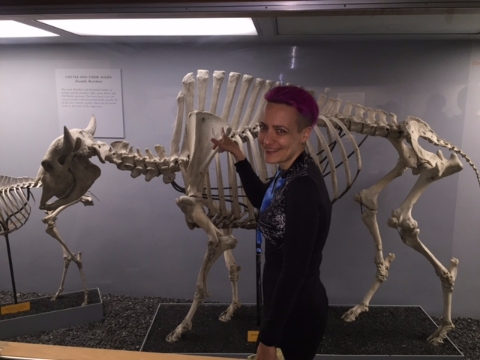
Because bones are a strong and sturdy material (in addition to the large size and quantity in a skeleton), we have a lot of bone tools in our archaeological collections. For example, the collection we are currently cataloging, the Larson Collection, has about 1,000 bison bone tools. In case you missed our blog post about these bone tools, they represent how a farming community, from about the 18th century in what is today South Dakota, utilized the bison skeleton.
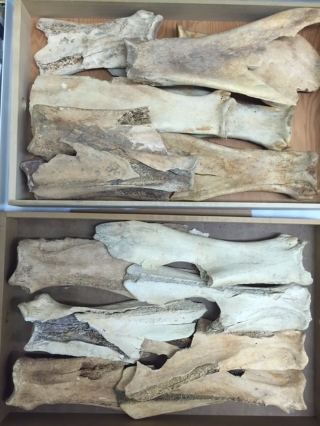
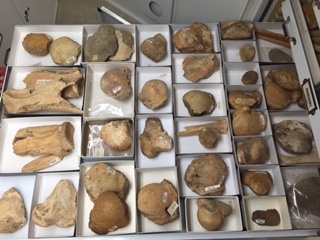
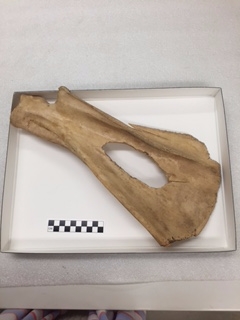
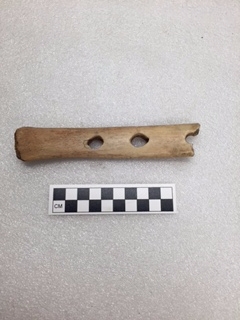
In addition to archaeological objects, we have in our collections various items showing the cultural and social significance of the American Bison to our Nation’s history. These objects can tell us characteristics of the peoples who used them so anthropologists can study relationships and differences across cultures. Here are some of our favorite objects from the collections:
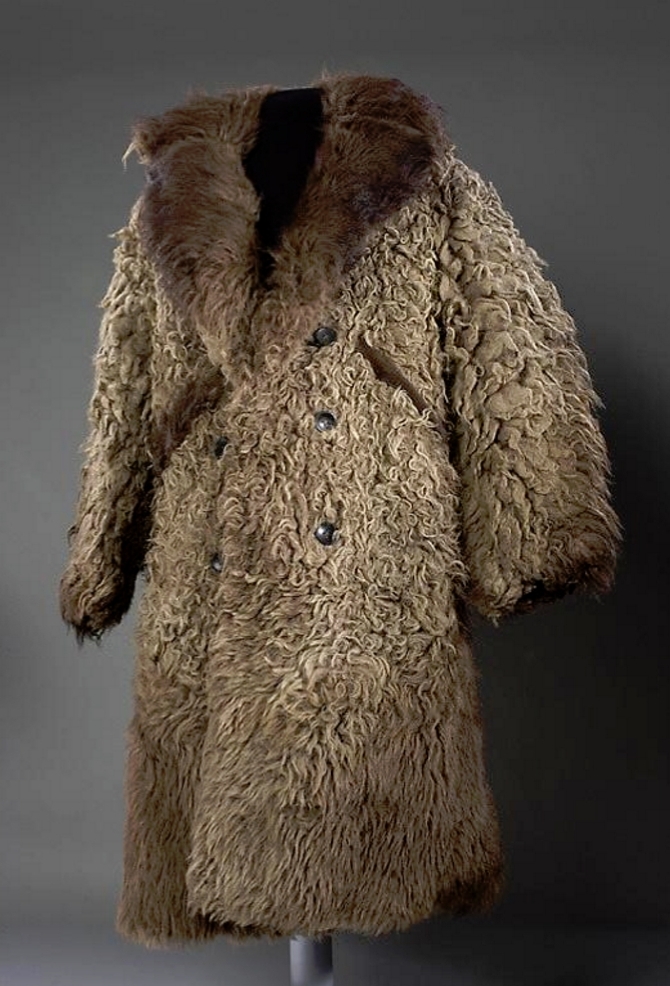
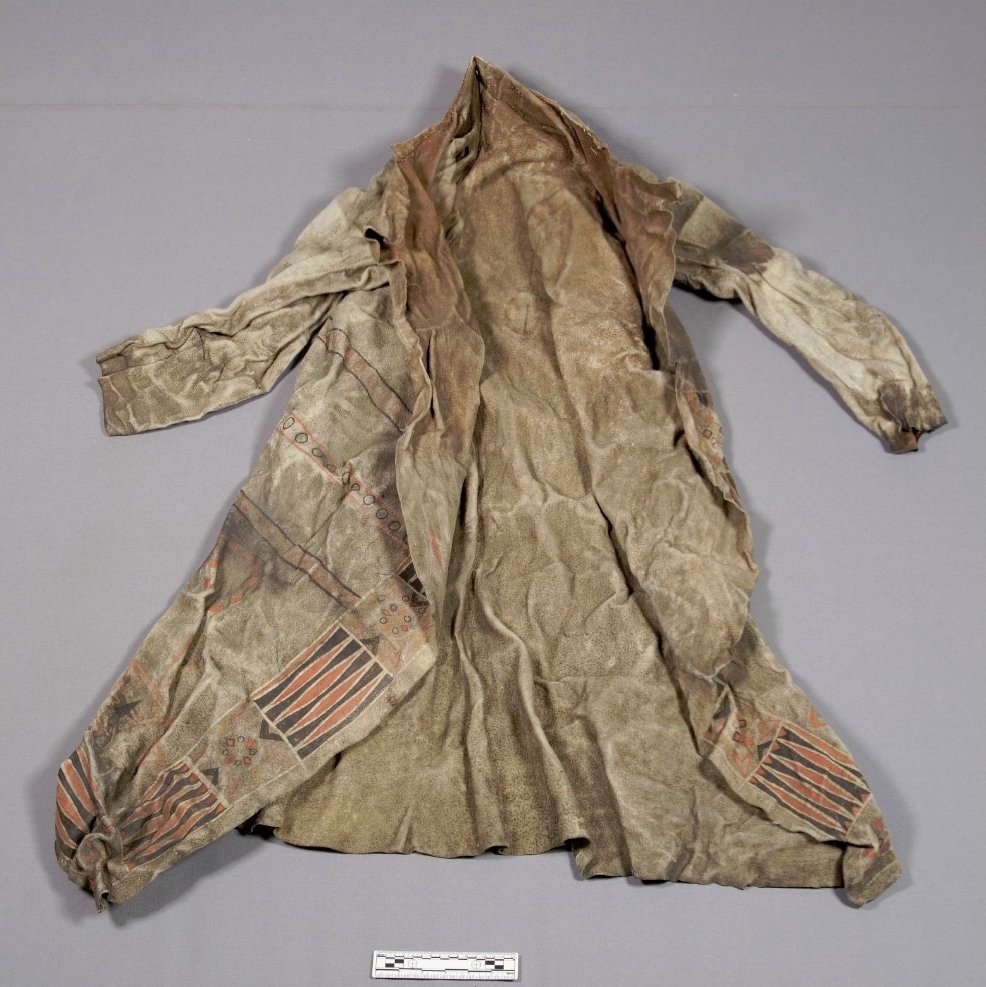
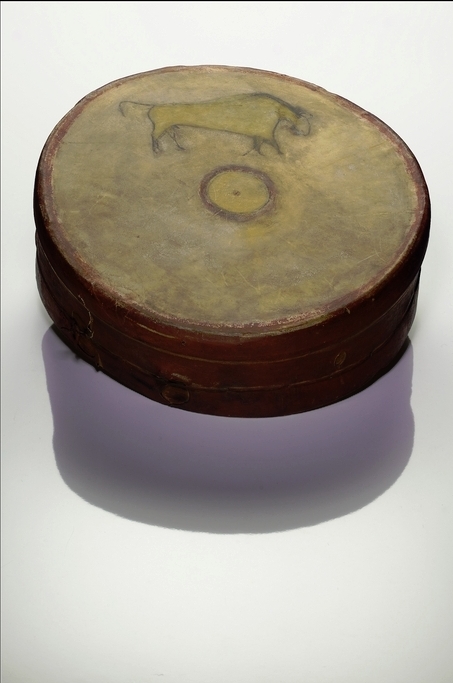
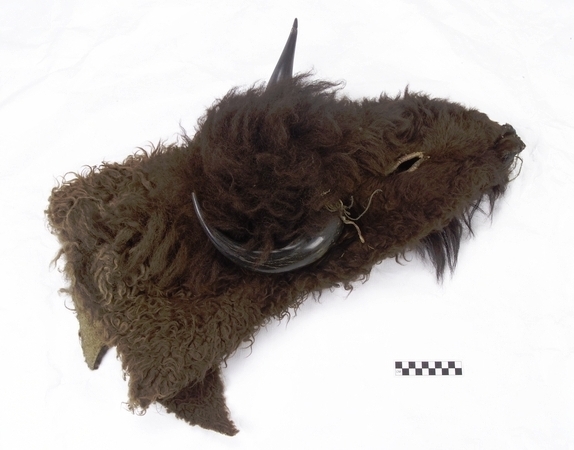
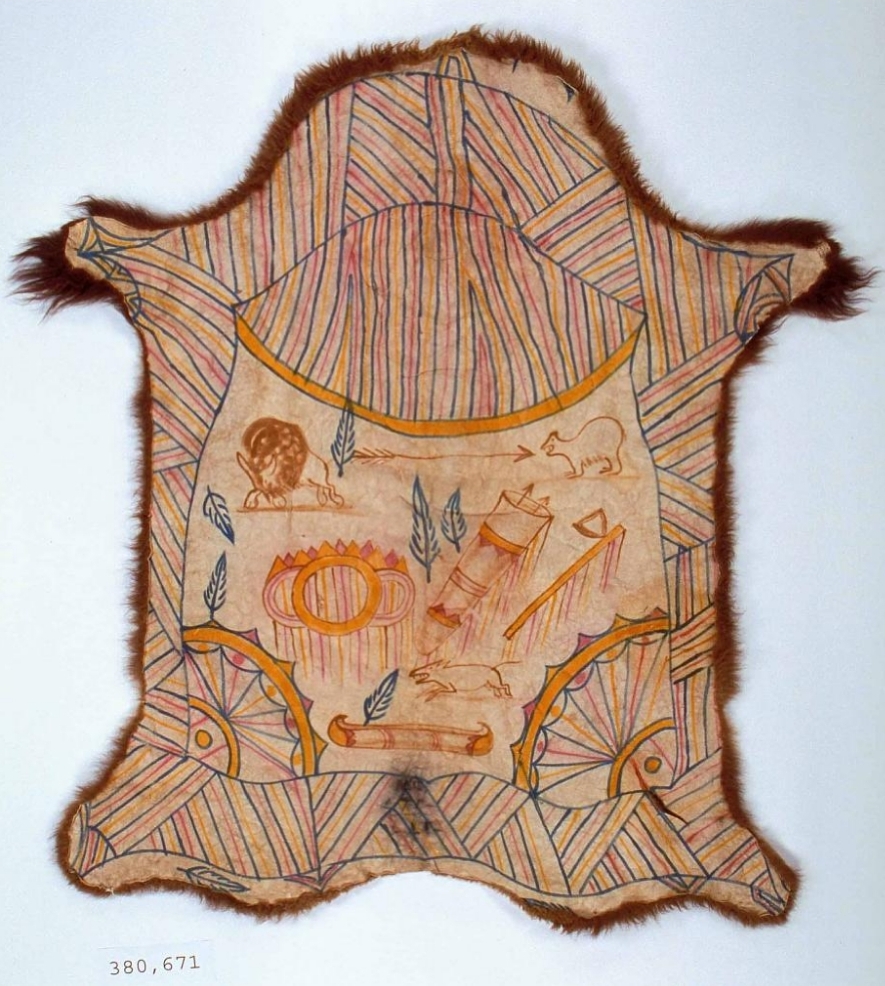
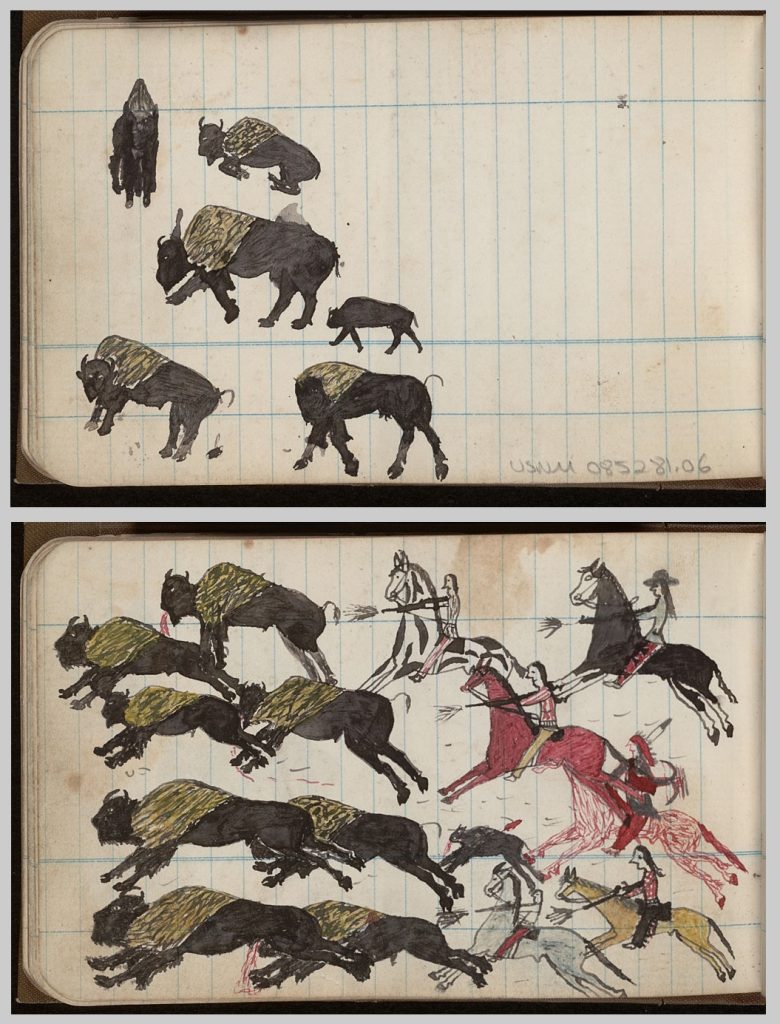
Outside (literally) of the bison-related objects at Smithsonian museums, there are two live bison you can visit at the Smithsonian National Zoological Park! American Bison have a long history with the National Zoo, in fact they were some of the first species to be exhibited back in 1887 when the animals were kept on the National Mall. In celebration of the National Zoo’s 125th anniversary in 2014, two female American Bison named Zora and Wilma came to the zoo. If you are in the Washington, D.C. area, we recommend you give Zora and Wilma a visit and wish them a Happy National Bison Day.
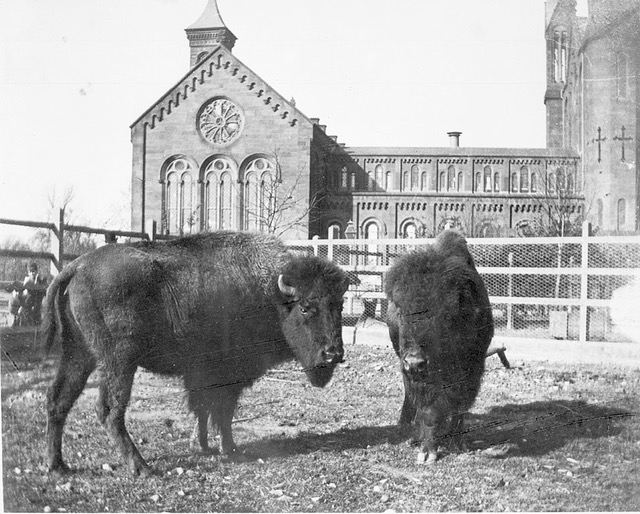
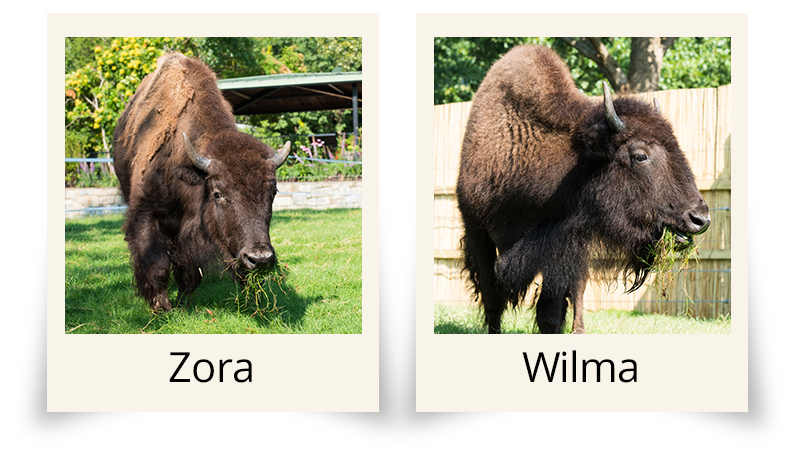
As you can see from this post, the American Bison has had a huge impact on our nation’s history and culture and subsequently has impacted our museum collections. Therefore, it is no surprise that it has become our National Mammal. From us at Rogers Archaeology Lab, Happy National Bison Day!
—–
References:
Hornaday, William T. The Extermination of the American Bison. Washington, D.C.: Smithsonian Institution Press, 2002.
Isenberg, Andrew C. The Destruction of the Bison: An Environmental History, 1750-1920. Cambridge; New York: Cambridge University Press, 2000.
Smithsonian Zoological Park Conservation Biology Institute. “Bison Today.” American Bison. Accessed November 3, 2016. http://americanbison.si.edu/bison-today/.
Smits, David D. “The Frontier Army and the Destruction of the Buffalo: 1865-1883.” The Western Historical Quarterly 25, no. 3 (1994): 312–38.
Additional Sources on American Bison and Smithsonian Collections:
Inter Tribal Buffalo Council: http://itbcbuffalo.com/
American Bison Society: http://www.ambisonsociety.org/
Bison at the Smithsonian National Zoo: http://americanbison.si.edu/
Bison at Yellowstone National Park: https://www.nps.gov/yell/learn/nature/bison.htm
Smithsonian Collections Search Center: http://collections.si.edu/search/
Bison Fun Facts Sources:
National Wildlife Federation: http://blog.nwf.org/2012/02/6-amazing-facts-you-never-knew-about-bison/
US Department of the Interior: https://www.doi.gov/blog/15-facts-about-our-national-mammal-american-bison
Smithsonian National Zoo: http://americanbison.si.edu/bison-facts/






.jpg)